

A dog who keeps gaining weight on the same amount of food, or a cat who eats ravenously and still gets thinner, may be showing early signs of a thyroid problem. Thyroid testing in pets is a simple blood test that measures thyroid hormone levels, and it is the most reliable way to learn whether changes like these come from an underactive or overactive thyroid gland. At Rosecrans Veterinary Clinic in Hawthorne, CA, Dr. Rochelle McCoy pairs a thorough physical exam with targeted bloodwork to reach a clear diagnosis and a treatment plan built around your companion.
The thyroid is a small, two-lobed gland in the neck that sets the pace of your pet’s metabolism. Its hormones influence body temperature, heart rate, skin and coat health, weight, and energy. When hormone production drifts too low or too high, nearly every organ feels it. The encouraging news is that thyroid disease responds very well to treatment once it is identified, and most pets return to a comfortable, active life.
This Article Will Address
- How thyroid warning signs differ between dogs and cats
- The situations when our team recommends a thyroid blood test
- What happens during diagnosis, from the exam to follow-up testing
- How thyroid conditions are treated and monitored over time
What Are the Signs of Thyroid Issues in Dogs and Cats?
Dogs usually show signs of a slowed metabolism, called hypothyroidism, while cats usually show signs of a sped-up metabolism, called hyperthyroidism. Because these changes tend to appear gradually over months, many families assume they are simply part of getting older.
Hypothyroidism in Dogs: Signs of a Slowing Metabolism
Canine hypothyroidism most often develops in middle-aged dogs when the immune system gradually damages the thyroid gland. Breeds such as Golden Retrievers, Doberman Pinschers, and Cocker Spaniels are affected more often, although any dog can develop it. Common signs include:
- Weight gain without any increase in food
- Low energy, extra sleep, or less interest in walks and play
- A thinning coat or symmetrical hair loss along the sides and tail
- Dry, flaky skin or skin and ear infections that keep returning
- Seeking out warm spots and a new sensitivity to cold
- Fur that grows back slowly after it has been shaved
Hyperthyroidism in Cats: Signs of an Overactive Thyroid
Feline hyperthyroidism is one of the most common hormonal diseases in older cats, usually appearing after age 10. It is almost always caused by a benign growth on the thyroid gland that produces too much hormone. Watch for:
- Weight loss despite a strong or even voracious appetite
- Drinking more water and urinating more often
- Vomiting or diarrhea
- Restlessness, irritability, or loud vocalizing at night
- An unkempt, greasy, or matted coat
- A racing heartbeat you can feel when holding your cat
Cats are skilled at hiding illness, so a hyperthyroid cat can seem happy and hungry while the disease quietly strains the heart and raises blood pressure. The reverse conditions are uncommon: hypothyroidism in cats usually follows treatment for hyperthyroidism, and hyperthyroidism in dogs is rare and often linked to a thyroid tumor.
When Is Thyroid Testing Recommended?
A thyroid test is recommended whenever your pet shows any of the signs above, as part of routine screening for senior pets, and at regular intervals for pets already taking thyroid medication. Dr. McCoy may also suggest one in these situations:
- Senior cats, since a T4 value on yearly or twice-yearly bloodwork can catch hyperthyroidism before weight loss becomes obvious
- Dogs with stubborn skin or ear problems that do not resolve with standard care
- Routine lab results that hint at a hormone problem, such as high cholesterol in a dog or elevated liver enzymes in a cat
- Pre-anesthetic screening in older pets, so thyroid-related heart changes are known before a procedure
- Follow-up checks after a medication dose change
Many thyroid problems are first suspected during a routine wellness exam, when a subtle weight change or a gland that feels enlarged in a cat’s neck prompts a closer look. Adding a thyroid value to your pet’s regular pet bloodwork is an efficient way to screen, since the same blood sample can answer several questions at once.
How Does a Veterinarian Diagnose a Thyroid Condition?
A veterinarian diagnoses thyroid disease by combining a physical exam and health history with blood tests, starting with a total T4 screening and adding free T4 or TSH testing when the first result needs confirmation.
The Physical Exam and Health History
Your observations at home matter a great deal. Changes in appetite, thirst, energy, and sleep help us interpret lab values correctly. During the exam, Dr. McCoy checks body weight trends, coat quality, heart rate and rhythm, and in cats, gently feels the neck for an enlarged thyroid lobe.
Blood Tests That Measure Thyroid Function
- Total T4: the primary screening test, measuring the main hormone the thyroid produces
- Free T4: measures the unbound, active portion of hormone and is less affected by other illnesses
- TSH: a pituitary hormone that rises when the thyroid underperforms, which helps confirm hypothyroidism in dogs
- Complete blood count, chemistry panel, and urinalysis: show how the heart, kidneys, and liver are handling any hormone imbalance
A single low T4 in a dog is not enough for a diagnosis. Other illnesses, certain medications such as steroids or phenobarbital, and even breed can lower T4 in a dog whose thyroid is healthy. Greyhounds and other sighthounds naturally run lower values. In cats, early hyperthyroidism sometimes produces a T4 in the normal range, so a free T4 or a repeat test a few weeks later may be needed. For hyperthyroid cats, kidney values such as SDMA from our in-house IDEXX testing are especially important, because an overactive thyroid can mask kidney disease until treatment begins.
How Are Thyroid Conditions Treated?
Dogs with hypothyroidism are treated with a daily synthetic thyroid hormone called levothyroxine, while cats with hyperthyroidism can be managed with medication, a prescription diet, radioactive iodine therapy, or surgery.
Treating Hypothyroidism in Dogs
Levothyroxine replaces the hormone your dog’s thyroid can no longer make. Most dogs regain energy within a few weeks, while coat and skin improvements can take a few months. Treatment is lifelong, and a recheck blood test about four weeks after starting, drawn a few hours after a dose, confirms the amount is right. Once your dog is stable, monitoring every six to twelve months keeps the dose on target.
Hyperthyroidism Treatment Options for Cats
- Methimazole, given as a small tablet or a gel rubbed onto the inner ear for cats who resist pills
- An iodine-restricted prescription diet, which works only when it is the sole food your cat eats
- Radioactive iodine therapy, a single treatment at a specialty facility that often cures the condition
- Surgical removal of the affected thyroid tissue, used less often today
The right choice depends on your cat’s age, kidney function, temperament, and your household routine, and Dr. McCoy will walk you through the tradeoffs of each option. After treatment starts, follow-up bloodwork tracks both thyroid levels and kidney values, since bringing hormone levels down can reveal kidney changes that were hidden.
Our practice approaches thyroid care with the tenacity described in our mission: exploring every avenue until your pet feels like themselves again. Dr. McCoy holds ECFVG certification and is a member of the AVMA, CVMA, and SCVMA, and she takes time to explain each result in plain terms. Thyroid care is one part of our full range of veterinary services, all delivered with respect for your pet and for the bond you share.
Schedule Your Pet’s Thyroid Screening in Hawthorne
If your dog or cat is showing any of these changes, or is entering the senior years, a thyroid screening can bring answers and relief. Rosecrans Veterinary Clinic in Hawthorne, CA is welcoming new and returning patients, and our team is ready to help. Call us at 310-857-7000 or schedule an appointment today so we can take a closer look at your companion’s thyroid health.
Sources
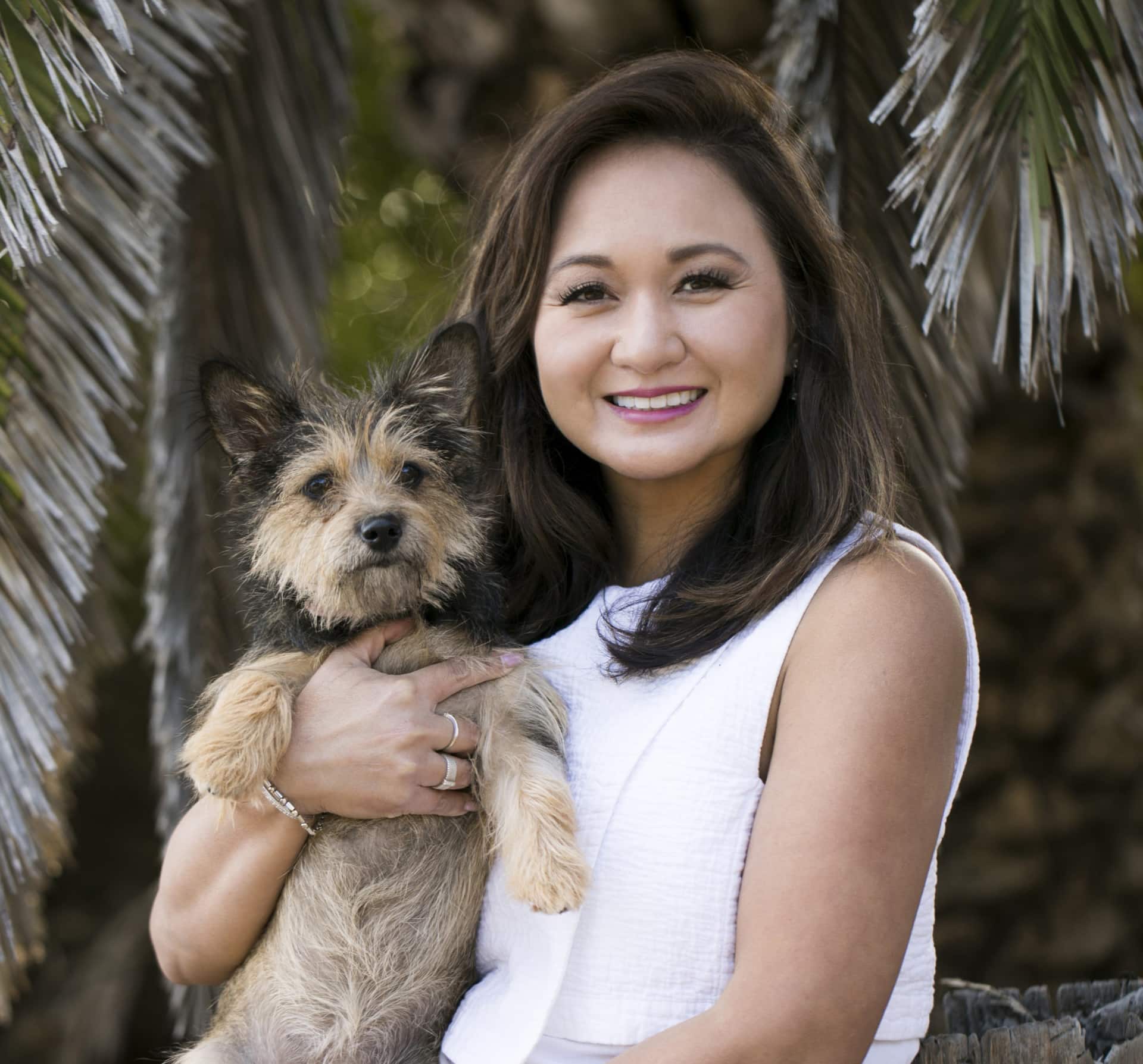
Meet Dr. McCoy
Dr. Rochelle McCoy, DVM, is the owner of Rosecrans Veterinary Clinic in Hawthorne, CA. A dedicated vet with a passion for compassionate, community-focused care, she understands the deep bond between pets and their families. Having earned her veterinary degree in 2004, Dr. McCoy is fluent in English and Tagalog, making her a trusted resource for pet owners of diverse backgrounds. She is committed to ensuring every pet receives personalized, high-quality care. A member of the AVMA, CVMA, and SCVMA, she stays at the forefront of veterinary medicine. Outside the clinic, she cherishes time with her family and pets, embodying the same love for animals that she sees in her clients every day.