
Common pet surgeries include spay and neuter procedures, dental extractions, mass removals, orthopedic repairs, and emergency foreign body surgeries. At Rosecrans Veterinary Clinic in Hawthorne, CA, we guide pet parents through every stage of the surgical process, from careful preparation to detailed post-operative care, ensuring a safe procedure and a smooth recovery.
Surgery can feel overwhelming. As veterinarians, we understand the deep bond you share with your pet. Our mission is rooted in compassion, respect, and tenacity. Under the leadership of Dr. McCoy, who holds credentials from the Educational Commission for Foreign Veterinary Graduates and maintains active affiliations with the CVMA, SCVMA, and AVMA, we are committed to thoughtful surgical planning, advanced monitoring, and attentive follow-up care.
This Article Will Address
- What are the most common surgical procedures for pets
- How to prepare your pet safely for surgery
- What to expect during the recovery period
- When to contact the veterinarian after surgery
- How long healing and activity restrictions typically last
What Are the Most Common Surgical Procedures for Pets?
Pets may require surgery for preventive care, injury, illness, or emergency situations. Surgical needs vary based on age, breed, lifestyle, and medical history. At Rosecrans Veterinary Clinic, we tailor every surgical plan to the individual pet, ensuring safety and optimal outcomes.
Spay and Neuter Procedures
Spay and neuter surgery is one of the most common procedures performed in veterinary medicine. These preventive surgeries reduce the risk of certain cancers, prevent unwanted litters, and may improve behavior.
Most pets recover within 10 to 14 days. During that time, activity restriction is essential. Running, jumping, and rough play should be avoided to protect the incision site and allow proper healing.
Dental Extractions and Oral Surgery
Advanced dental disease can cause pain, infection, and systemic health concerns. When a tooth cannot be saved, extraction becomes necessary to restore comfort and oral health.
After dental surgery, pets may require softer food for several days. Pain management is carefully prescribed, and we monitor closely to ensure your pet remains comfortable during recovery.
Mass Removal and Tumor Surgery
Lumps and growths are common, especially in senior pets. Surgical removal allows for biopsy testing to determine whether the mass is benign or malignant.
Following surgery, incision monitoring is critical. We provide detailed guidance so you know what normal healing looks like and when to contact us with concerns.
Orthopedic Surgery and Injury Repair
Orthopedic procedures address ligament injuries, fractures, or joint instability. These surgeries often require strict post-operative restrictions and a structured recovery plan.
We provide detailed instructions and follow-up appointments to monitor healing and support your pet’s mobility.
Foreign Body and Emergency Abdominal Surgery
Pets are naturally curious, and ingestion of foreign objects can lead to life-threatening blockages. Emergency abdominal surgery may be required if an object cannot pass safely.
Warning signs include vomiting, lethargy, abdominal pain, or refusal to eat. Prompt surgical intervention and hospital monitoring can be lifesaving.
How Do I Prepare My Pet for Surgery?
Proper preparation improves surgical safety and recovery outcomes. We provide clear instructions in advance to help you feel confident and informed.
Pre-Surgical Fasting Guidelines
Most pets should not eat 8 to 12 hours prior to anesthesia. Water may be allowed up to a certain time, depending on your pet’s case. Fasting reduces the risk of complications during anesthesia.
Pre-Anesthetic Testing and Physical Examination
Before surgery, we perform a comprehensive physical exam. Bloodwork helps us evaluate organ function and detect underlying concerns.
This allows us to tailor anesthetic protocols specifically to your pet’s needs, increasing safety and precision.
Medication and Health History Disclosure
Please inform us of all medications, supplements, and previous reactions to anesthesia. Accurate medical history helps us minimize risk and adjust treatment appropriately.
What Should I Bring on the Day of Surgery?
Bring a list of medications, any special feeding instructions, and updated contact information. Clear communication ensures we can reach you promptly with updates and discharge instructions.
What Should I Expect During the Recovery Period?
Recovery requires rest, monitoring, and careful compliance with instructions. Most complications can be prevented with proper at-home care.
Activity Restriction After Surgery
Limit activity strictly during the healing period. Avoid running, jumping, or stair climbing. Leash-only walks are recommended for bathroom breaks. Crate rest may be advised for certain procedures.
Incision Care and Monitoring
Keep the incision clean and dry. Prevent licking or chewing with an Elizabethan collar if necessary.
Normal healing includes mild redness and slight swelling. Contact us if you notice increasing redness, discharge, or separation of the incision.
Feeding After Anesthesia
Offer small meals at first. Mild appetite changes are common during the first 24 hours. Persistent vomiting or refusal to eat should be reported.
Medication Compliance and Pain Management
Administer medications exactly as prescribed. Never give human medications unless directed by a veterinarian. Complete all antibiotic courses to prevent infection.
When Should I Call the Veterinarian?
Contact Rosecrans Veterinary Clinic at 310-857-7000 if you notice:
- Excessive swelling
- Redness spreading from the incision
- Discharge or foul odor
- Persistent vomiting
- Lethargy lasting longer than 24 hours
- Refusal to eat
- Difficulty breathing
Early communication helps us address concerns before they become serious.
What Should I Do When My Pet Comes Home After Surgery?
Create a quiet, comfortable space away from other pets and distractions. Monitor your pet’s behavior and check the incision twice daily.
Limit stair access and provide calm supervision during the first 24 hours. Some grogginess is expected, but gradual improvement should occur.
Is It Normal for My Pet to Be Sleepy After Surgery?
Yes. Anesthesia commonly causes temporary lethargy. Most pets are sleepy the first evening and improve by the next day.
If your pet remains excessively sedated, cannot stand, or appears disoriented beyond 24 hours, contact us immediately.
When Can My Pet Resume Normal Activity?
Most routine surgeries require 10 to 14 days of restricted activity. Orthopedic procedures may require longer recovery periods.
We will evaluate healing during recheck appointments and provide guidance tailored to your pet’s specific surgery.
Why Choose Rosecrans Veterinary Clinic for Pet Surgery in Hawthorne, CA?
At Rosecrans Veterinary Clinic, surgery is never routine to us. Every patient is treated with compassion, precision, and respect.
Dr. McCoy’s professional affiliations with the CVMA, SCVMA, and AVMA reflect our commitment to high standards of veterinary medicine. Our updated technologies, attentive monitoring protocols, and anxiety-relieving approach help ensure your pet’s comfort and safety.
We proudly serve families throughout Hawthorne and the surrounding South Bay communities, including Lawndale, Gardena, El Segundo, and Manhattan Beach. With convenient weekday hours and Saturday availability, we make quality surgical care accessible to local pet parents.
Your Partner in Safe and Compassionate Pet Surgery
At Rosecrans Veterinary Clinic in Hawthorne, CA, we understand that surgery is a significant moment in your pet’s life. Our team is dedicated to providing skilled surgical care, thorough monitoring, and clear post-operative guidance that supports complete recovery. If your pet needs a surgical procedure or if you have questions about recovery, contact Rosecrans Veterinary Clinic at 310-857-7000 to schedule a consultation. We are here to protect your pet’s health with compassion, tenacity, and unwavering commitment.
Sources
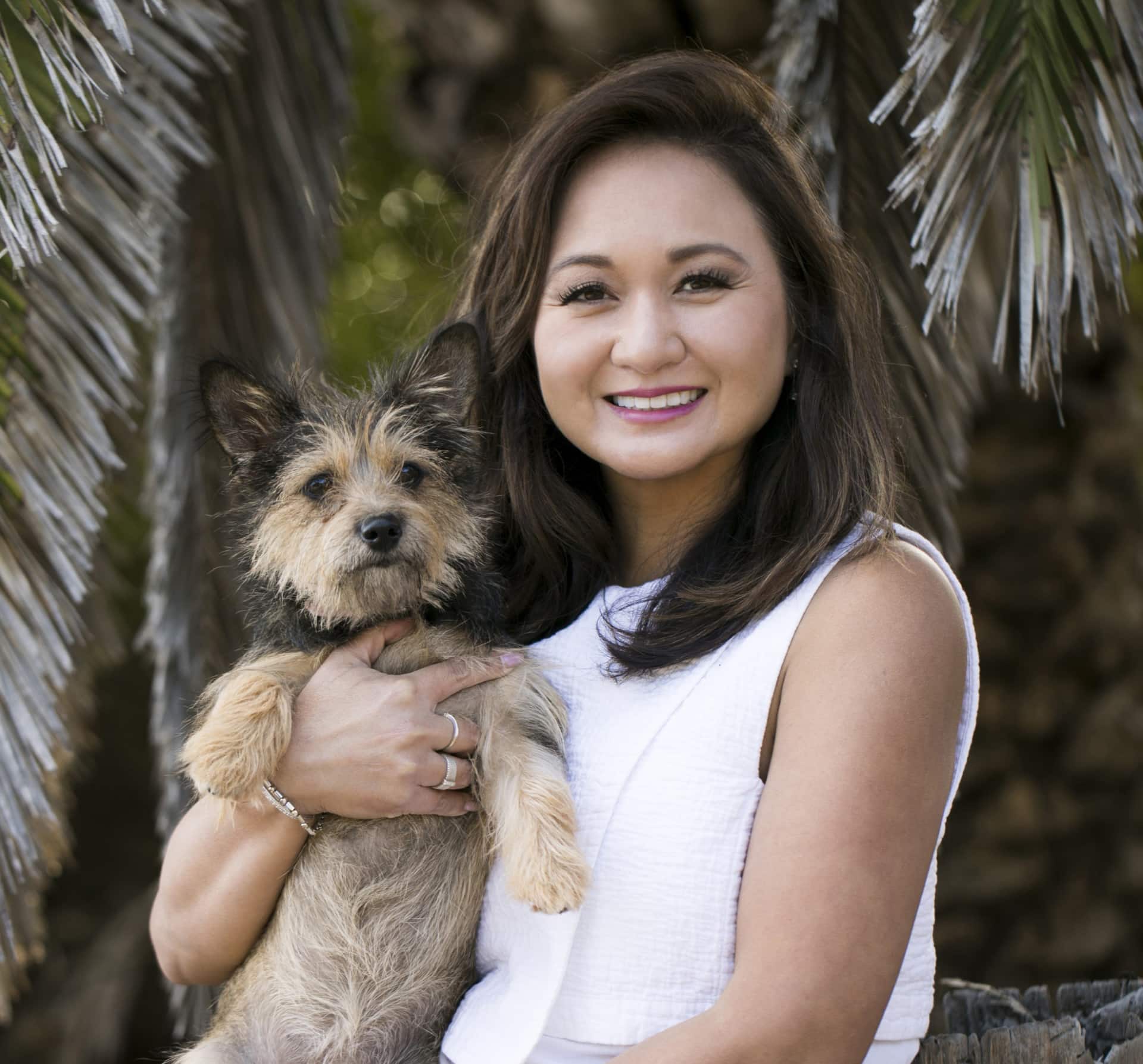
Meet Dr. McCoy
Dr. Rochelle McCoy, DVM, is the owner of Rosecrans Veterinary Clinic in Hawthorne, CA. A dedicated vet with a passion for compassionate, community-focused care, she understands the deep bond between pets and their families. Having earned her veterinary degree in 2004, Dr. McCoy is fluent in English and Tagalog, making her a trusted resource for pet owners of diverse backgrounds. She is committed to ensuring every pet receives personalized, high-quality care. A member of the AVMA, CVMA, and SCVMA, she stays at the forefront of veterinary medicine. Outside the clinic, she cherishes time with her family and pets, embodying the same love for animals that she sees in her clients every day.