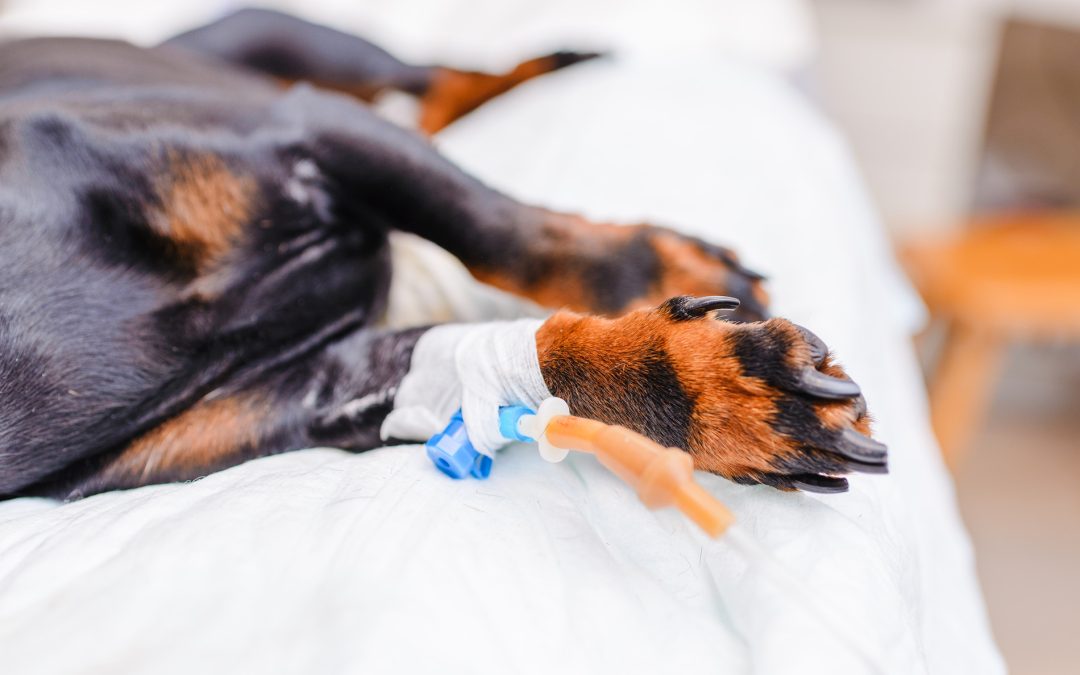
When a pet needs surgery, dental treatment, or certain diagnostic procedures, anesthesia plays a critical role in keeping them comfortable, still, and protected. At Rosecrans Veterinary Clinic, we understand that anesthesia is one of the most common concerns pet parents have. Our goal is to ensure every pet in our care receives anesthesia that is carefully planned, closely monitored, and tailored to their individual health needs.
Modern veterinary anesthesia is not what it once was. Today, it is a highly controlled medical process supported by advanced monitoring, thorough screening, and trained veterinary professionals. From start to finish, your pet’s safety remains our highest priority, guided by compassion, experience, and thoughtful oversight from Dr. McCoy and our veterinary team.
This Article will address
- How anesthesia in veterinary care supports your pet’s safety
- Whether anesthesia is safe for pets during veterinary procedures
- Why anesthesia is necessary for many treatments and diagnostics
- What precautions are taken to minimize anesthesia risks
- How pets are monitored before, during, and after anesthesia
- What pet owners can expect throughout the anesthesia process
- Common concerns pet parents have about veterinary anesthesia
Is Anesthesia Safe for My Pet During Veterinary Procedures?
Anesthesia is considered very safe for the vast majority of pets when proper protocols are followed. Advances in veterinary medicine have significantly improved how anesthesia is administered, monitored, and adjusted in real time. At Rosecrans Veterinary Clinic, we approach anesthesia as an individualized medical plan, not a one-size-fits-all process.
We carefully consider your pet’s age, breed, weight, and overall health before anesthesia is ever administered. Senior pets, young pets, and animals with medical conditions can safely undergo anesthesia when their care is planned with these factors in mind. Pre-procedure exams and diagnostics allow us to identify potential risks early and make appropriate adjustments.
Many fears about anesthesia stem from outdated information. With modern monitoring equipment and experienced veterinary oversight, anesthesia today is safer and more predictable than ever before.
Why Is Anesthesia Necessary for Veterinary Procedures?
Anesthesia allows veterinary procedures to be performed safely, humanely, and accurately. Many treatments simply cannot be completed while a pet is awake without causing unnecessary stress, pain, or risk.
Veterinary anesthesia is commonly required for:
- Surgical procedures
- Dental cleanings and extractions
- Diagnostic imaging that requires stillness
- Pain management during invasive treatments
By keeping your pet still and comfortable, anesthesia allows our veterinary team to work with precision while minimizing discomfort. It also reduces anxiety and prevents sudden movement that could compromise your pet’s safety during a procedure.
What Precautions Are Taken to Minimize Anesthesia Risks?
Pre-Anesthetic Screening and Evaluation
Before anesthesia, every pet undergoes a careful evaluation. This step allows us to identify potential concerns and plan appropriately. Our pre-anesthetic process may include:
- A thorough physical examination
- Bloodwork when appropriate
- Review of age, breed, and medical history
- Medication and dosage planning
This screening process helps us determine the safest anesthesia approach for your pet and reduces the likelihood of complications.
Customized Anesthesia Protocols
No two pets are exactly alike, which is why anesthesia plans are customized for each patient. We tailor the type of anesthesia, dosage, and support medications based on your pet’s specific needs. Pets with underlying health conditions receive additional consideration, ensuring their anesthesia protocol supports both comfort and safety.
How Is My Pet Monitored Under Anesthesia?
Continuous Monitoring During Procedures
Throughout anesthesia, your pet is continuously monitored using specialized equipment and direct observation. Key indicators we track include:
- Heart rate
- Respiratory rate
- Blood oxygen levels
- Body temperature
- Blood pressure when appropriate
These measurements allow our team to respond immediately to even subtle changes and make adjustments as needed.
Dedicated Veterinary Oversight
Anesthesia is never a passive process. Our veterinary team actively monitors your pet from induction through recovery. This constant oversight ensures that your pet remains stable, comfortable, and supported at every stage. Patient safety is maintained through vigilance, experience, and prompt response.
What Should I Expect Before and After My Pet’s Anesthesia?
Before anesthesia, you will receive clear instructions regarding food, water, and medications. Following these guidelines is an important part of keeping your pet safe during the procedure.
On the day of treatment, pets are monitored closely during drop-off, throughout the procedure, and during recovery. After anesthesia, it is normal for pets to feel groggy or tired for a short period. Our team provides detailed home care instructions so you know what to expect and how to support your pet’s recovery comfortably at home.
Common Concerns Pet Owners Have About Anesthesia
Pet parents often share similar questions when anesthesia is recommended. Common concerns include:
- Is anesthesia safe for senior pets?
- What if my pet has an existing medical condition?
- Can procedures be performed without anesthesia?
- How long does recovery from anesthesia usually take?
These questions are valid, and we encourage open conversations. At Rosecrans Veterinary Clinic, we take the time to explain recommendations clearly so you feel informed and confident about your pet’s care.
Trusted Anesthesia Care for Pets at Rosecrans Veterinary Clinic
Anesthesia plays an essential role in safe, effective veterinary care, and when managed properly, it allows pets to receive the treatment they need with comfort and dignity. At Rosecrans Veterinary Clinic, our approach to anesthesia reflects our commitment to respect, compassion, and thoughtful medical care. Dr. McCoy’s training and professional affiliations, combined with our team’s attentive monitoring, ensure your pet’s safety is never taken lightly.
If you have questions about anesthesia or need to schedule a procedure for your pet, we invite you to contact Rosecrans Veterinary Clinic in Hawthorne, CA. Call us at 310-857-7000 to speak with our team and take the next step in your pet’s care with confidence.
Sources
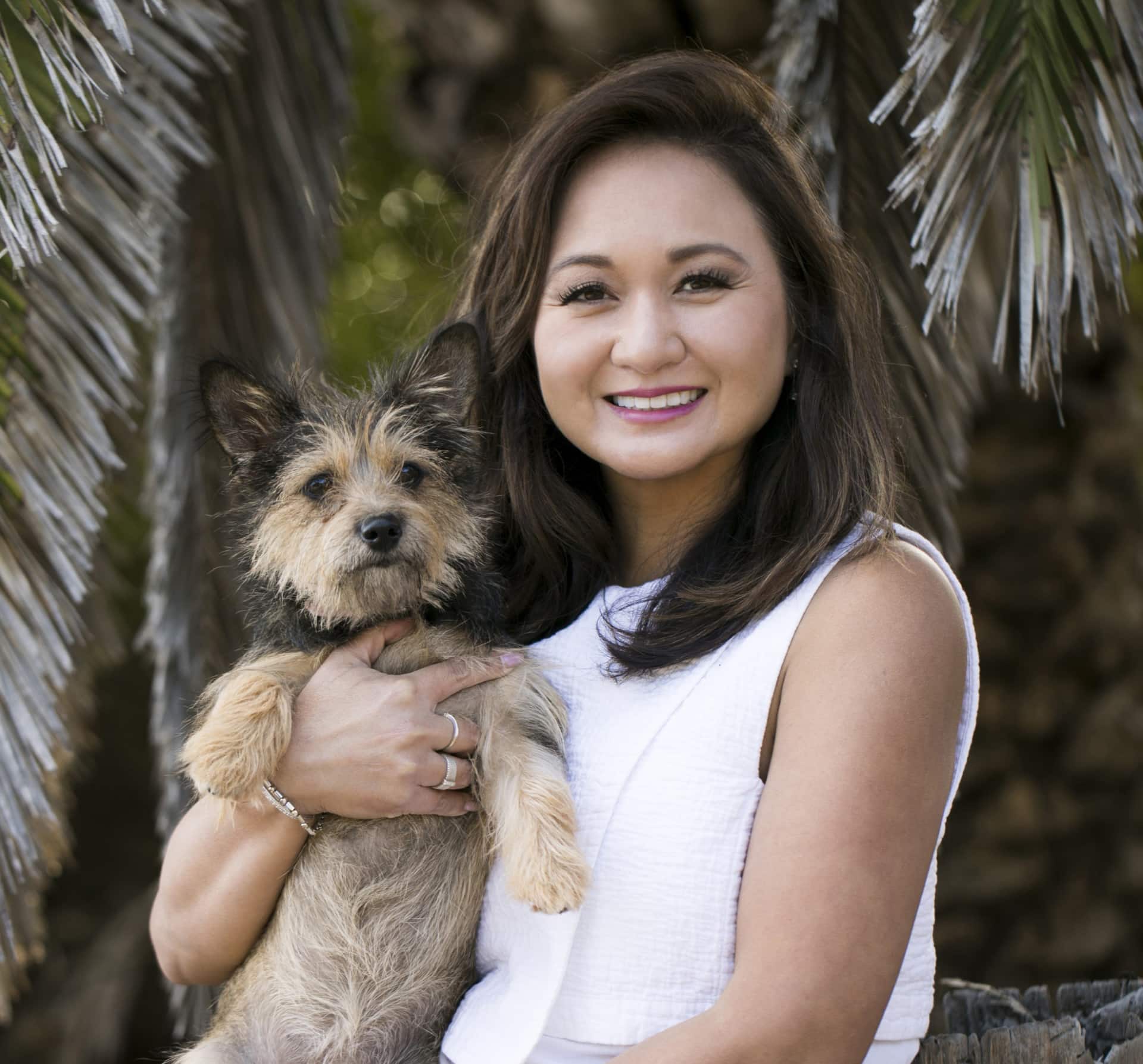
Meet Dr. McCoy
Dr. Rochelle McCoy, DVM, is the owner of Rosecrans Veterinary Clinic in Hawthorne, CA. A dedicated vet with a passion for compassionate, community-focused care, she understands the deep bond between pets and their families. Having earned her veterinary degree in 2004, Dr. McCoy is fluent in English and Tagalog, making her a trusted resource for pet owners of diverse backgrounds. She is committed to ensuring every pet receives personalized, high-quality care. A member of the AVMA, CVMA, and SCVMA, she stays at the forefront of veterinary medicine. Outside the clinic, she cherishes time with her family and pets, embodying the same love for animals that she sees in her clients every day.